
Anti-Inflammatory Meals: 7 Ideas, Foods & What Research Says
There is no single anti-inflammatory diet, but Mediterranean-style eating patterns rich in vegetables, fruit, legumes, whole grains, nuts, olive oil and fish are commonly used as a practical model. Here is how to think about the pattern, what to emphasise and where supplements fit in.
What people mean by an anti-inflammatory diet
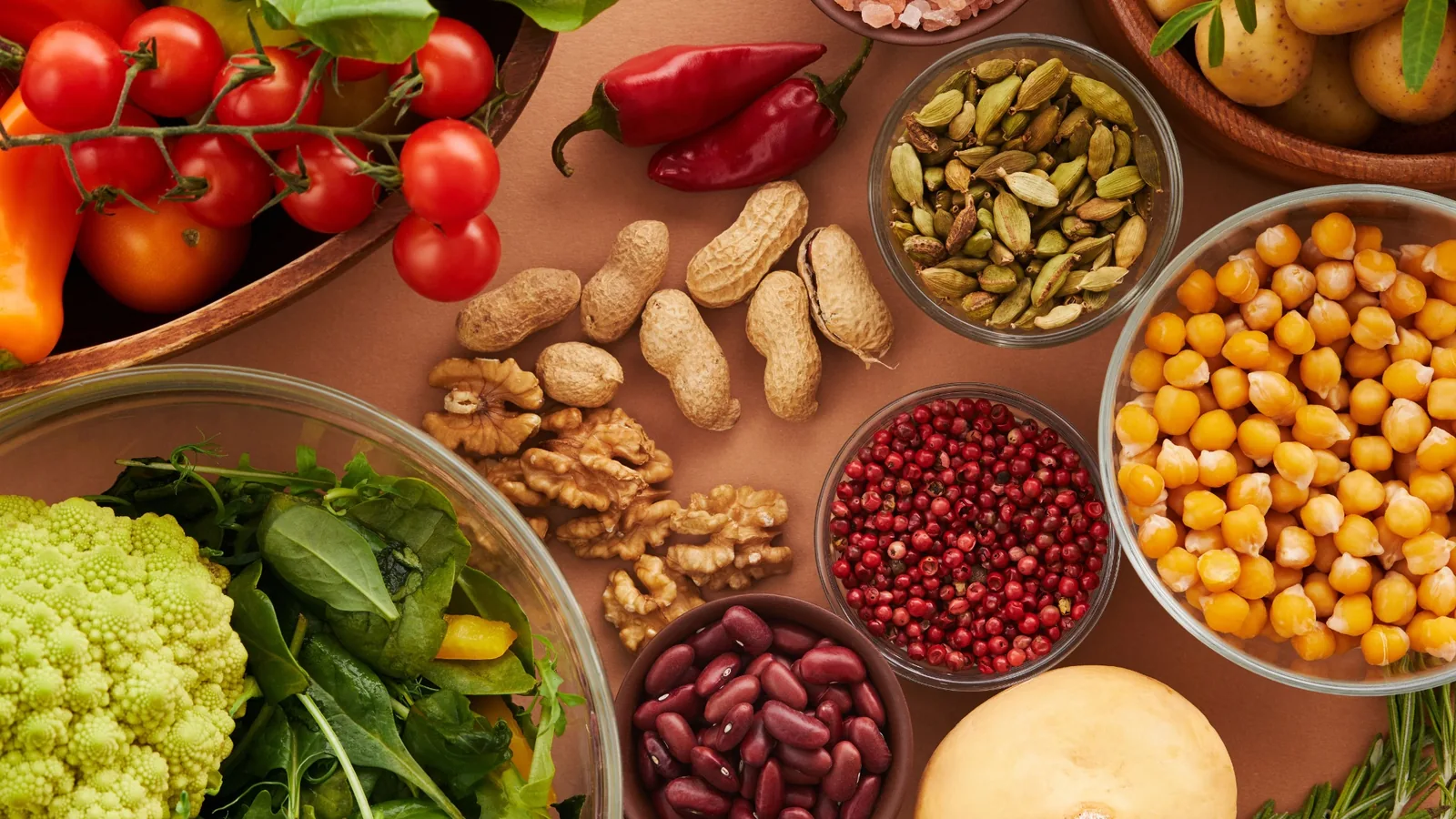
“Anti-inflammatory diet” is a popular term, but it does not refer to one official named diet. In practice, it usually means an overall eating pattern built around minimally processed foods such as vegetables, fruit, legumes, whole grains, nuts, seeds, olive oil and fish. Mediterranean-style eating patterns are commonly used as the clearest real-world example.
The emphasis is on the pattern as a whole, not on one “superfood”. Eating more fibre-rich plant foods and unsaturated fats while reducing ultra-processed foods, refined grains and processed meats is a more realistic approach than expecting one ingredient to “fight inflammation” on its own. This style of eating supports general cardiometabolic health as well as everyday diet quality. [1] [2]
Foods to emphasise
An anti-inflammatory eating pattern does not have to be complicated. Most meals can be built from the same core groups:
- Vegetables and fruit. Aim for variety and colour over the course of the week. Peppers, kiwifruit, berries and citrus fruits are useful sources of vitamin C, which helps protect cells from oxidative stress.
- Legumes and other high-fibre foods. Beans, lentils, chickpeas, oats, barley and other whole grains help increase fibre intake.
- Nuts, seeds and olive oil. These foods help shift the fat profile of the diet toward more unsaturated fats.
- Fish, especially oily fish. Salmon, sardines, mackerel and similar fish contribute omega-3 fatty acids.
- Herbs and spices. Using herbs, garlic, ginger or turmeric in cooking can add flavour without relying on heavily processed sauces.
This does not mean every meal has to be perfect. The goal is simply to make these foods show up more often and more regularly. [2] [3]
Practical starting point: if you usually build a meal around refined starch and a highly processed main item, try changing just one part at a time — for example replacing a low-fibre side with beans or whole grains, or adding an extra serving of vegetables.
7 anti-inflammatory meal ideas
These are flexible meal combinations, not prescriptions or treatments. Their value comes from a varied dietary pattern that includes plenty of plant foods, fibre and unsaturated fats.
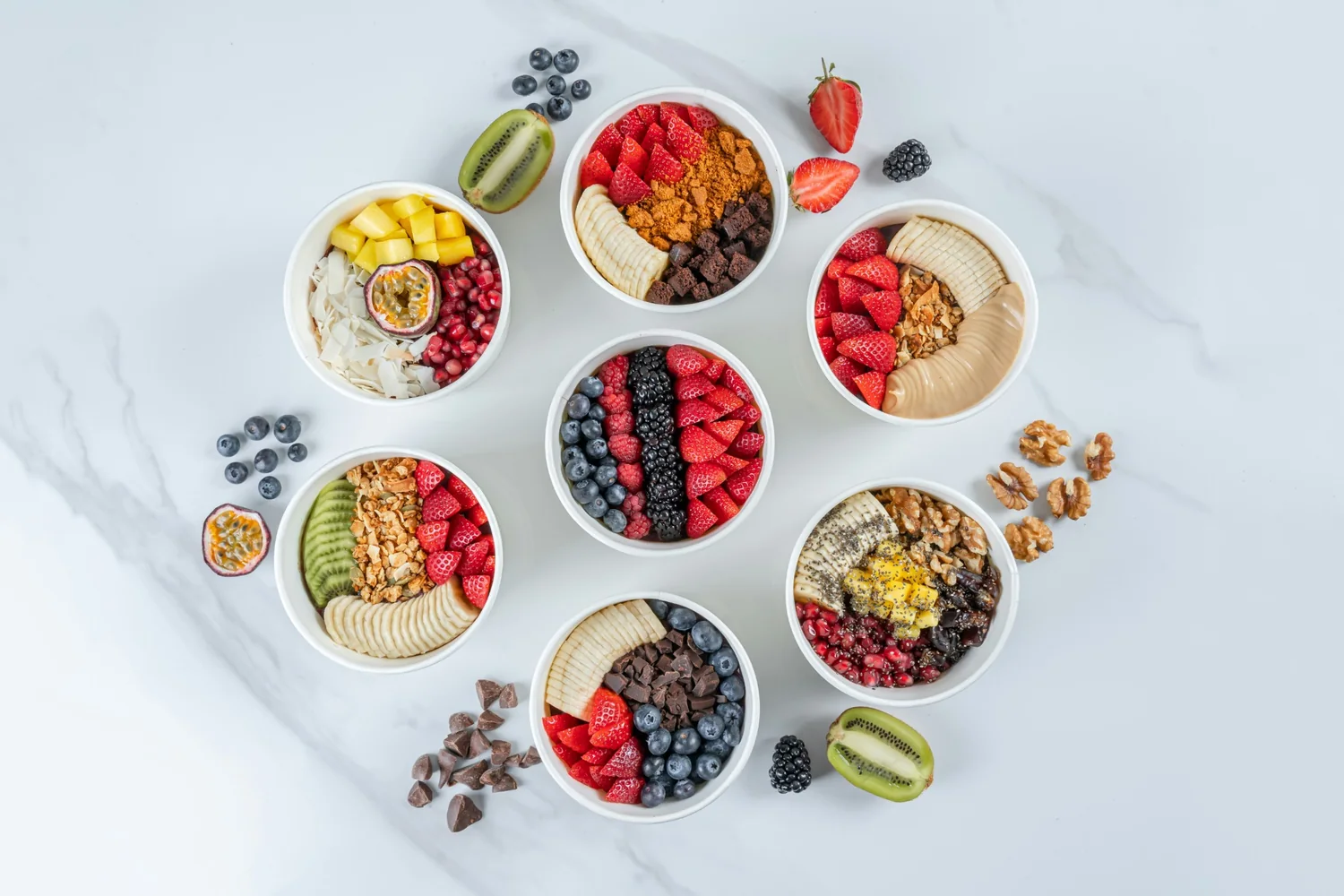
- Berry, oat and walnut breakfast bowl. Use rolled oats with plain yogurt or an unsweetened fortified plant alternative, berries, and chopped walnuts or chia seeds. The oats and berries add fibre; nuts and seeds provide unsaturated fats.
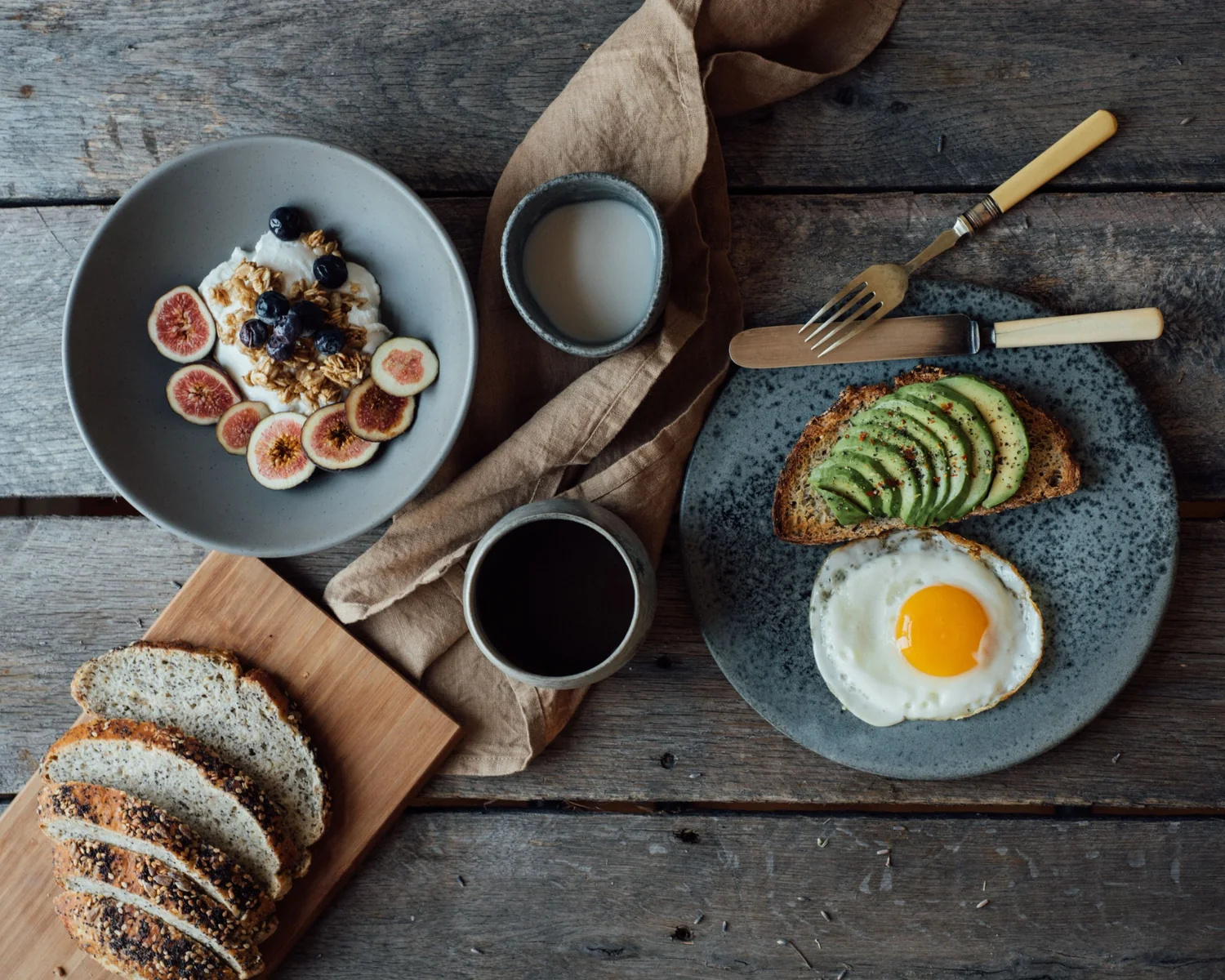
- Wholegrain toast with avocado and eggs. Add tomatoes or spinach and season with herbs. This combines a wholegrain base with vegetables, protein and unsaturated fat.
- Chickpea and vegetable grain bowl. Combine chickpeas, cooked barley or brown rice, greens, peppers and an olive-oil–lemon dressing.
- Lentil soup with wholegrain bread. Use lentils, carrots, tomatoes, onion and herbs; serve with a wholegrain side for a practical, fibre-rich lunch.
- Salmon, roasted vegetables and potatoes. Add olive oil and herbs. Salmon is a source of EPA and DHA omega-3 fats; vegetables contribute fibre and micronutrients.
- Bean, tomato and spinach stew. White beans or kidney beans make a budget-friendly plant-protein main. Serve with a wholegrain or a side salad.
- Tofu and vegetable stir-fry. Include broccoli, peppers, mushrooms and a wholegrain side, using a modest amount of rapeseed or olive oil.
Small changes that build the pattern
If your usual diet is low in fibre, increase legumes and whole grains gradually. Keep affordable options such as frozen vegetables, canned beans, oats and canned fish available. You do not need exotic powders or expensive products to follow this eating pattern.
Foods to eat less often
There is no need for a strict list of forbidden foods. Instead, consider reducing frequent sugary drinks, processed meats and heavily refined snack foods, and choosing fibre-rich plant foods more often. The overall pattern matters more than a single meal. [3]
Where supplements fit in
Supplements do not replace an eating pattern. They may be relevant when they address a specific gap or when an ingredient has its own separate evidence base, but they are not a shortcut to the benefits of a balanced diet.
Omega-3
If you rarely eat oily fish, an omega-3 guide can help you understand EPA and DHA amounts and how products differ. This is usually a more evidence-based place to start than taking a broad “anti-inflammatory blend”.
Dietary fibre
If your diet is low in fibre, the dietary fibre guide explains the difference between fibre-rich foods and supplements such as psyllium or inulin. Increasing fibre through food first is often the simplest foundation.
Vitamin C and antioxidant protection
Vitamin C is an antioxidant that helps protect cells from oxidative stress. It is found naturally in foods such as peppers, kiwifruit, berries and citrus fruits. Oxidative stress and inflammation are linked, but they are not the same process. Getting enough vitamin C is important for normal health, while taking extra vitamin C has not been shown to reliably reduce chronic inflammation. See our Vitamin C Guide for daily intake references and supplement comparisons.
Turmeric and curcumin
Using turmeric in cooking is one thing; concentrated extracts are another. If you are considering a supplement, see the turmeric guide for a clearer look at labelled amounts, extract standardisation and what product labels actually tell you.
In short: use food pattern changes as the base, then look at individual supplements only when there is a clear reason to do so.
When to seek advice
Seek personalised advice if you have a diagnosed inflammatory condition, major digestive symptoms, unexplained weight loss, difficulty eating enough or a medical reason to limit certain foods. Restrictive self-directed diets can make nutrition harder rather than easier.
If a symptom is new, persistent or worsening, it is better to assess the cause than to rely on “anti-inflammatory” products or recipes as a treatment plan.
Sources
- Johns Hopkins Medicine: Anti-inflammatory diet
- Harvard Health: Anti-inflammatory diet foods that help reduce chronic inflammation
- British Heart Foundation: Anti-inflammatory diet
Updated 5 November 2026.